Lessons Learned: Ethical and Collaborative Engagement Fostering Local Agency with Kenyan Communities
by Marek Ševčík
For the Menengai community, beekeeping isn't just about the sweet reward of honey; it's a vibrant path toward self-sufficiency and a stronger future. Their enthusiasm and courage are brimming, yet they face significant hurdles in starting their bee farms.
The Aalto Global Impact team is developing solutions to help the community kickstart their work. This multi-stakeholder initiative led by a group of 6 students from Aalto University and supported by the Sustainability Action Booster, brings together Egerton University, ÉSAD Design School of Reims, and the Nakuru Living Lab organisation.
Read more about the project here.

Navigating the Digital Divide in Rural Beekeeping Development
Our initial bright-eyed exploration into beekeeping's future saw us buzzing with the potential of digital tools. We imagined IoT sensors, AI-enhanced learning platforms, ready to tackle challenges from hive management to accessing crucial capital. These platforms seemed like the perfect tech-boost for beekeepers, promising to secure funds and provide knowledge with digital precision.
However, as we zoomed in on the realities of the design context, a stark truth emerged: the digital divide in rural Kenya is a formidable challenge.
It's a tale of two worlds. This isn't just about know-how; it's compounded by a serious lack of ICT infrastructure and the hefty price tag attached to both equipment and access to internet. We discovered that Kenyans in rural areas use apps like WhatsApp and TikTok on daily basis. Interestingly, despite that majority of administrative tasks and bookkeeping remained firmly analog. This aligns with broader observations that, in rural Kenya, younger people often use technology for entertainment and social connection.
This eye-opening reality check forced us to reconsider our approach. We realized that solutions heavily reliant on digital platforms, while innovative in theory, would likely face a steep uphill battle for adoption and genuine accessibility within the Menengai community. The very people we aimed to empower could be left behind.
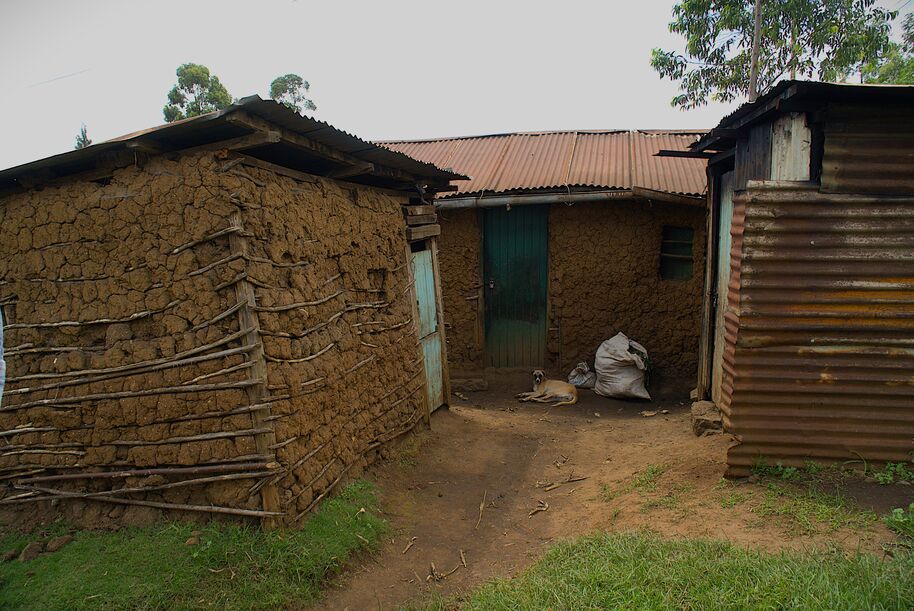
This realization sparked a crucial shift in our thinking. We pivoted towards exploring more low-tech, locally grounded solutions. This meant diving into the potential of mud and clay hives, drawing upon traditional knowledge and the abundant resources already at hand. This wasn't just a change in strategy; it was an ethical decision. We recognized our responsibility to ensure that our proposed solutions are truly usable, sustainable, and genuinely beneficial within the existing technological and socio-economic landscape of our target audience.
The Paradox of Collectivism and Communication Challenges
Kenya's culture is characterised as largely collectivistic, with a strong emphasis on community interdependence and prioritising group welfare over individualist goals - particularly in rural areas. This cultural aspect was evident in the formation of self-help groups among the beekeepers, operating independently yet willing to cooperate on aspects that benefit all equally. The collectivistic nature could, in theory, facilitate the successful implementation of projects requiring cooperation and resource sharing for mutual benefit but fairness is a prerequisite for any successful collectivistic efforts.
However, alongside this collectivism, we also identified the prevalence of indirect communication among Kenyans, often employed to maintain politeness and avoid confrontation. While this fosters social harmony, it can also present challenges in eliciting authentic feedback and addressing concerns directly. We experienced instances during our interviews where navigating communication styles required careful attention to ensure clear understanding and to create a comfortable environment for open expression.
Furthermore, despite the willingness to share knowledge, we observed weak communication between the different beekeeping cooperatives. Our interviews indicated an openness to collaboration, yet a lack of established channels and practices for effective inter-group communication. This situation presents a paradox: a collectivistic culture that values group harmony, yet faces practical communication barriers that hinder collaboration and the efficient flow of information regarding best practices or shared challenges like pests or market access. Addressing this requires culturally sensitive approaches that foster clearer communication without disrupting established social norms.
Ethical Considerations in Intercultural Design Collaboration: Balancing External Expertise and Local Knowledge
Engaging in international design collaborations, such as our project with the Menengai beekeepers, necessitates a strong ethical framework to ensure that our interventions are beneficial and respectful of the local context. A crucial aspect of this is balancing our external expertise with the invaluable local knowledge held by the community. For this, involving local individuals is invaluable for establishing trustworthiness, creating connections on a deeper level and navigating potential cultural barriers. We arrived with certain technical knowledge and design methodologies, but the beekeepers possess deep understanding of their local environment, bee behaviour in their specific context, available resources, and existing social structures.
To avoid what could be seen as neo-colonial behaviour – the imposition of external ideas and solutions without fully considering local needs and perspectives – a commitment to empathy and user-centred design principles is paramount. Our research methodology, heavily reliant on qualitative data collection through interviews and observations, aimed to understand the beekeepers' motivations, challenges, and aspirations. We actively sought their feedback on our design visions, recognising that their insights are crucial for the relevance and sustainability of any proposed solution.
Early in our engagement, we encountered a significant challenge in aligning expectations. Coming from a context of greater access to resources, we found that many beekeepers initially assumed our primary role would be to provide substantial financial capital and grants. If this expectation had not been addressed and clarified from the outset, two problematic scenarios could have unfolded. First, we would have inevitably fallen short of these expectations, leading to disappointment and a potential breakdown of trust. Second, it would have been difficult to move beyond a superficial level of engagement, hindering our ability to gain deeper, more meaningful insights into the community's needs and assets.
Furthermore, it is essential to be aware of and address any inherent power imbalances in such collaborations. As researchers from a well-resourced university, we must consciously avoid presenting ourselves as the sole bearers of knowledge. Instead, our role should be that of facilitators, working collaboratively with the community to co-create solutions that build upon their existing assets and capabilities. The Asset-Based Community Development (ABCD) approach, which focuses on identifying and leveraging existing community assets rather than concentrating on needs or deficiencies, aligns with this ethical stance. By valuing local knowledge, actively listening to community voices, and iteratively adapting our designs based on their feedback, we strive to ensure that our project empowers the Menengai beekeepers rather than creating dependency or undermining their agency.
Lessons learned
The journey into beekeeping development in Menengai revealed a profound truth: innovation is not solely about technological leaps, but about deeply understanding the human landscape. This shift in perspective, from the digital frontier to the tangible realities of mud and clay, underscores a powerful lesson: by prioritizing community assets and building partnerships based on mutual respect, we move towards a more equitable and impactful model for intercultural collaboration, one where external efforts empower local agency for lasting resilience.
Note from Authors:
As authors of this article, we acknowledge our position as external researchers collaborating with the Menengai community. Our intent is to present an honest and insightful account of our work, grounded in principles of participatory design, where the needs and perspectives of the Menengai beekeepers are central to our understanding and proposed solutions. We are committed to balancing our external expertise with the invaluable local knowledge and cultural context held by the community. Our aim is to facilitate the development of sustainable and locally-driven solutions that empower the beekeepers and contribute to the long-term resilience of their livelihoods and the local ecosystem.
Show other posts from this blog
