Aalto Global Impact 2025 - About the Project
A team of Aalto University students, under the Aalto Global Impact initiative, is collaborating with Egerton University, ÉSAD Design School of Reims, and the Nakuru Living Lab to empower the Menengai community in Kenya through apiculture. Despite facing socio-economic challenges and environmental hurdles like vandalism and predators, the community's strong social bonds and enthusiasm for beekeeping as a path to self-sufficiency drive this multistakeholder project forward.

Setting the context
The Menengai region of Kenya presents a unique context for development initiatives, rich in cultural heritage and natural resources, yet facing significant socio-economic challenges. For the Menengai community, beekeeping isn‘t just about the sweet reward of honey; it‘s a vibrant path toward self-sufficiency and a stronger future. Their enthusiasm and courage are brimming, yet they face significant hurdles in starting their bee farms, lacking both the funds and the know-how. The local environment throws its own challenges into the mix, from frustrating vandalism and aggressive predators to the ever-present threat of lasting droughts. What‘s very exciting, though, is that bee farming has the potential to generate a reliable income while playing a crucial role in safeguarding their local forests - and the locals certainly know it.
About the community
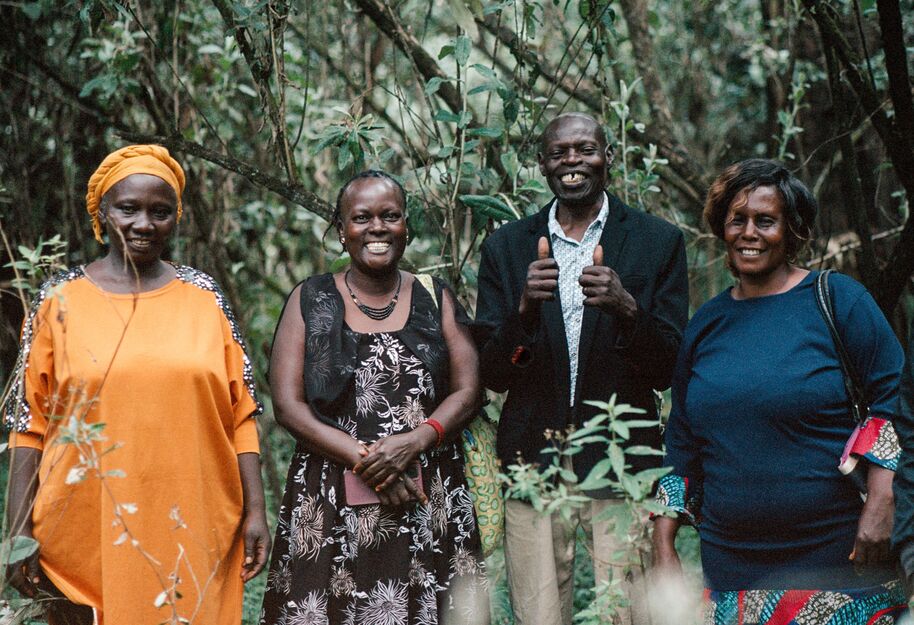
Nestled in the landscape, the Menengai community thrives on strong social bonds. Though many families cultivate their own food, the primary source of income for most is farming. While some community members work as primary school teachers, barbers, or drivers, the average monthly income remains modest, around the cost of one beehive. A testament to their collective spirit, the community actively organizes into self-help groups centered on shared pursuits, such as dairy farming, supporting young women, and, notably, beekeeping. Around eight such groups, each comprising 7 to 15 individuals, are starting or aspire to begin beekeeping. These groups readily share knowledge, though they manage their resources independently. The local government provides them with free access to the nearby forest. Children in Menengai often spend their days outdoors, and for many, school is not a regular part of life. Instead, they play football, chase around livestock, or gather firewood. The majority of families reside in homes constructed from brick or a mix of sticks and mud. While internet access is limited within the community, mobile phones offer a connection for many adults, with platforms like WhatsApp and TikTok being commonly used. Despite their strong community ties, the economic realities of the region are stark. The prevalence of poverty means that beekeeping sites with metal components often require constant guarding to prevent vandalism, with some incidents reportedly stemming even from envy.¨
Current beekeeping efforts
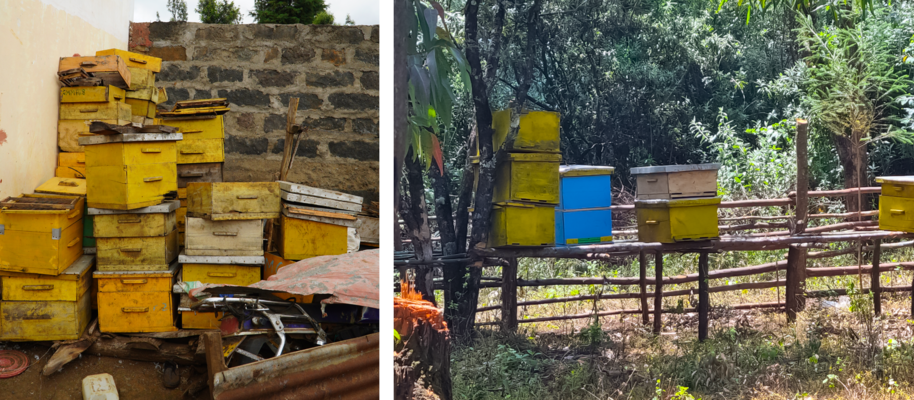
The dedicated beekeepers within this community demonstrate remarkable enthusiasm despite the significant limitations they face. While local expertise is shared amongst the self-help groups, access to essential beekeeping equipment remains scarce. With their own diligent savings, each group can typically acquire only one hive per month. Consequently, the necessary tools for establishing bee colonies, ensuring their well-being, and harvesting honey are largely absent. For now, their extremely limited honey yields are sold within the local area. Driven by a strong desire for collaboration and deeply appreciative of any assistance, these individuals are primarily motivated by the prospect of enhancing their livelihoods through this additional income stream. For many, beekeeping is currently a secondary occupation, yet the aspiration to make it their primary source of income is a powerful driving force.

Menengai Forest Environment
The Menengai forest apiaries, situated at 2200 meters above sea level near a 10km wide protected volcanic crater, enjoy stable year-round temperatures of 20-25°C. The local vegetation is rich in Eucalyptus with some Acacia, in a climate that shifts from fairly dry to semi-arid. This allows for up to three honey harvests annually, despite a three-month dry season at the start of the year. However, the drier conditions mean bees need access to water. Another characteristic of the environment is the presence of honey badger, an aggressive predator known for destroying beehives and ruining months of hard work.
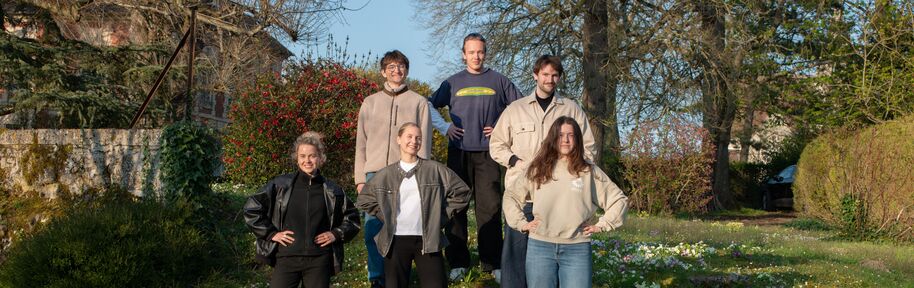
The Aalto Global Impact team has visited the site in fall 2024. Since then, they have been actively working together with all involved stakeholders on solving the challenges faced by the Menengai community. You can read more about our work by following our blog.
Note from authors:
As authors of this article, we acknowledge our position as external researchers collaborating with the Menengai community. Our intent is to present an honest and insightful account of our work, grounded in principles of participatory design, where the needs and perspectives of the Menengai beekeepers are central to our understanding and proposed solutions. We are committed to balancing our external expertise with the invaluable local knowledge and cultural context held by the community. Our aim is to facilitate the development of sustainable and locally-driven solutions that empower the beekeepers and contribute to the long-term resilience of their livelihoods and the local ecosystem.
Show other posts from this blog
